
The Retreat shift
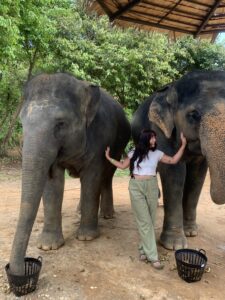
There is a moment most of us recognize — the one where you are running so fast you cannot remember why you started running in the first place. A retreat does not ask you to slow down. It asks you to stop entirely, so you can choose, with full clarity, what you actually want to return to.
In a culture that worships productivity, taking time to step away can feel indulgent, even irresponsible. But every tradition of wisdom — from ancient monasteries to modern neuroscience — agrees on one thing: withdrawal is not escape. It is medicine. The question is not whether you can afford to go on a retreat. It is whether you can afford not to.
The research bears this out. Studies on mindfulness immersions, nature-based retreats, and silent meditation programs consistently show measurable changes not just in mood, but in the structure of the brain itself, in hormone profiles, in immune function, and in the quality of decisions people make for months afterward.
The body holds everything the mind has been too busy to process. A retreat creates the conditions for that conversation to finally happen.
Six Core Benefits
What a Retreat Actually Does