
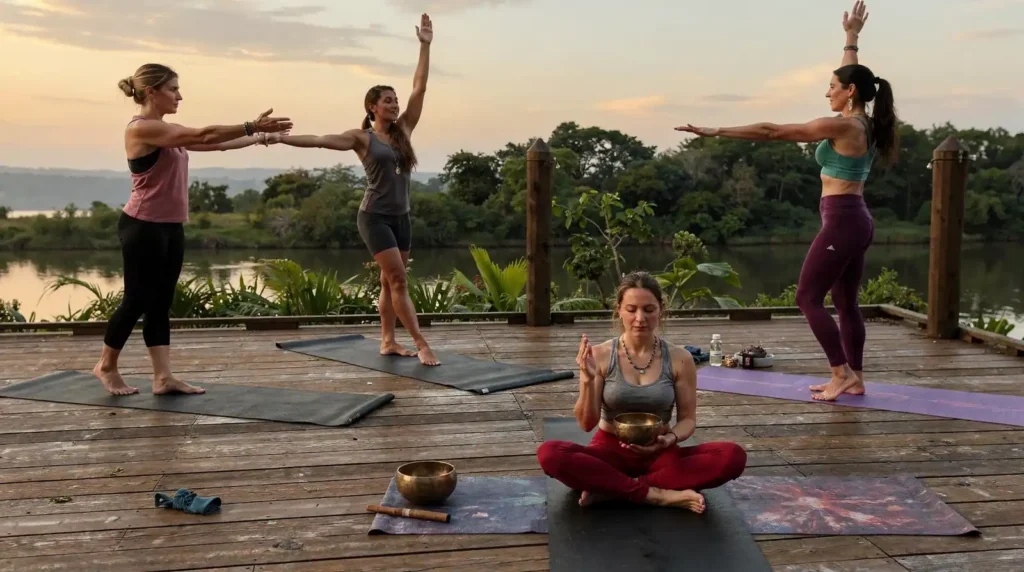
When it comes to yoga class availability, booking windows for Lost Art Yoga sessions vary by class type: signature flows and beginner-friendly sessions like MY unwind fill quickly, so we recommend reserving a spot at least 24 to 48 hours ahead. For private or specialty offerings, booking several days out protects the time slot that fits a busy weekly rhythm.
Key Takeaways
- Book yoga classes at least 24 to 48 hours in advance to secure your preferred time slot and instructor.
- Online platforms like Yogaworks offer thousands of classes across multiple disciplines requiring advance scheduling.
- Solo yoga teachers recommend students complete intake questionnaires before their first session for personalized planning.
- Private lessons need advance planning to allow instructors time to customize content for individual student needs.
Why Does Booking Timing Matter For Beginners?
Timing shapes the entire first experience on the mat. A single class answers the only question that truly matters: does the practice, the teacher, and the room feel right for a beginner’s body? Rushing that decision, or delaying it indefinitely, often gets in the way of discovering the answer.
Our yoga class availability is designed to fit real life, accommodating the demands of busy professionals who rarely have a fixed hour free every week, so we offer multiple time slots across live and virtual formats. Checking the yoga booking schedule before committing lets a newcomer find a class that fits an actual calendar, not an idealized one.
Do I Have to Commit Long-Term to Try a Class?
No commitment is required to start. Drop-in classes exist specifically so newcomers can test the waters without signing up for a full series or membership. We consider that low-pressure entry point essential; it protects curiosity from turning into obligation before someone even knows if the practice resonates.
What If I Feel Overwhelmed by Too Many Options?
Modern wellness offers an overwhelming menu of styles, apps, and studios, and many people seeking mindfulness end up lost in that sea of choices. We simplify the decision by keeping our offerings clear and our scheduling transparent, so choosing a class feels like relief rather than another task.
Stepping away from a packed schedule to plan intentionally can feel uncomfortable in a culture that prizes constant productivity. It still pays off. When someone chooses to reserve a yoga class ahead of time, that small act of planning becomes its own quiet practice in self-respect.
How Far Ahead Should You Reserve A Spot?
Timing depends on the practice sought and the studio’s rhythm. Popular restorative and active flow classes fill quickly, especially near evenings and weekends, so yoga class availability shifts week to week. Waiting too long to book often means missing a preferred instructor or losing that quiet corner of the room reserved for beginners.
We built our approach around meeting students at their own pace, the same spirit found in beginner-friendly studios that open their full class schedule to newcomers. From energizing hot flow sessions to slower, restorative unwind experiences. That range matters because knowing which style to book shapes how far ahead reservations should happen.
Does the type of class change how early I should book?
Yes. Studios across the region offer Vinyasa, Hatha, Yin, and Hot Yoga, and each style attracts a different crowd. Hatha tends to have steadier openings for foundational learners. High-demand Vinyasa or Hot Yoga sessions often require earlier commitment through the yoga booking schedule.
Can I still find a class if my week gets unpredictable?
Absolutely. We know busy professionals live by shifting calendars, not fixed routines. Online platforms echo this flexibility, offering everything from five-minute resets to full sixty-minute flows, built to fit a person’s schedule, experience level, and daily rhythm rather than forcing rigid attendance.
A few grounding habits keep the process smooth:
- Check availability early in the week before evening slots disappear.
- Reserve a yoga class at least a day ahead for popular styles like Hot Yoga or Vinyasa.
- Keep a short on-demand session ready as backup when live spots fill.
Consistent brand identification helps students recognize which experience matches their intention, long before they ever step onto the mat.
What Affects Yoga Class Availability Week To Week?
Several forces shape yoga class availability from one week to the next: teacher schedules, style demand, and unplanned disruptions all play a part. Beginners often assume open spots stay fixed. Reality shifts depending on practice type, time slot, and circumstances outside anyone’s control.
Style choice influences scheduling more than most new students expect. Hatha classes, built around foundational poses, tend to run at steady, predictable times because they serve people building a base practice. Vinyasa sessions, prized for cardio-flow intensity, often cluster around early mornings or evenings to match busy professionals squeezing movement into packed days. Yin, with its slower holds and deep stretching, frequently fills quieter midweek windows instead.
Larger disruptions matter too. We remember how studio closures during major public shutdowns erased in-person options overnight, pushing entire communities toward virtual practice out of necessity rather than preference. That history still shapes our yoga booking schedule today. Built to flex between mat-side and screen-side sessions without losing consistent brand identification across every offering we host.
Retreats and intentional practices add one more layer. A retreat does not ask a student to slow down; it asks for a full stop. That distinction is why we plan those experiences around open calendars rather than weekly recurring slots.
Does availability change during retreats or workshops?
Yes. Retreats, private soundbaths, and workshops act as a gateway alongside our regular classes, but they run on separate calendars. When we host these experiences, our standard weekly capacity naturally narrows.
How do I know when to reserve a spot?
The best way to reserve a yoga class is checking our live schedule regularly. Instructors confirm sessions and retreat dates shift throughout the season. Waiting too long often means missing a preferred time slot entirely.
How Do Private And Virtual Sessions Differ?
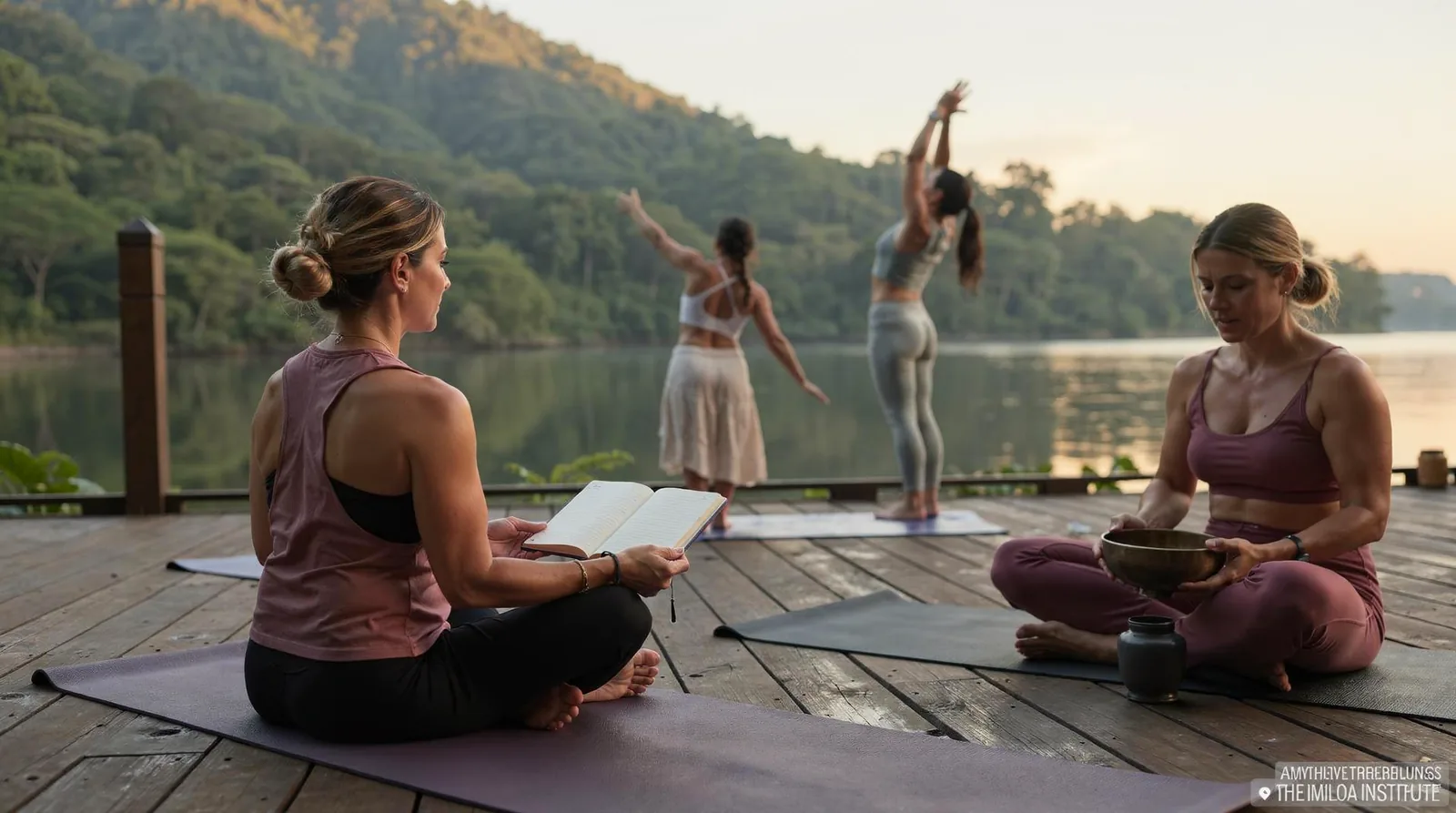
Private sessions unfold around a single practitioner’s story, while virtual sessions open a doorway to structured, on-demand variety. We shape one-on-one time around what a student shares with us during an initial conversation. Goals, tension points, old injuries, whatever truth needs tending that day. Without that dialog, we’re building blind, so private lesson planning often depends on the direction a student’s own intake conversation reveals.
Virtual practice works differently. Online platforms give students the freedom to explore thousands of classes, from quick resets to expert-led programs, all searchable through a simple yoga booking schedule. That structure matters for busy professionals who need to know yoga class availability before their week even begins.
Is Virtual Yoga Still Personal?
Virtual yoga can hold real intimacy, even through a screen. When studios closed during lockdown, teachers who moved instruction online discovered they could still maintain a genuine teaching practice, proving presence isn’t bound to a physical room.
Which Format Fits a Beginner’s Routine?
Beginners often start virtually, using flexible access to build confidence before committing to in-person depth. Either path, when approached with intention, supports the same outcome we care about most: reclaiming authentic practice for lasting mental, emotional, and physical transformation.
| Format | Best For | Planning Style |
|---|---|---|
| Private | Personalized goals, injuries, deep inquiry | Built from intake conversation |
| Virtual | Flexibility, variety, busy schedules | Built from browsing a class library |
Whichever path calls to a student, consistent brand identification helps them return to the same grounded guidance, session after session, on the mat or through the screen. When students reserve a yoga class, we want that choice to feel like coming home.
What’s The Best Way To Build A Routine?
Routine building starts with structure, not motivation. A studio that blends strength work, mobility training, and mindfulness practice under one roof removes the guesswork from staying consistent. Instead of juggling separate apps or memberships, checking yoga class availability across formats in a single place makes weekly commitment far easier to sustain.
We treat stepping away from the daily grind as essential, not indulgent — even fifteen minutes of stillness counts. Wisdom traditions and modern neuroscience agree on this point: withdrawal from constant motion restores the nervous system rather than avoiding life. That belief shapes how we design a yoga booking schedule that fits real, busy weeks instead of demanding a perfect one.
How often should beginners practice each week?
Two to three sessions weekly tends to build the kind of steady immersion that produces real change. Research on mindfulness immersions and nature-based retreats shows measurable shifts in mood, brain structure, and hormone patterns that persist for months. Consistency, more than intensity, drives that transformation.
What makes a routine sustainable long-term?
Sustainability comes from returning to practices rooted in something deeper than trend. Wellness spaces often feel commercialized and scattered, which makes it harder to stay grounded in why we started. Reconnecting with yoga’s authentic roots gives the routine meaning beyond the calendar.
A simple weekly rhythm looks like this:
- Two mindful movement sessions for strength and mobility
- One breath-focused or restorative class for nervous system reset
- One stretch of quiet stillness, even brief, treated as non-negotiable
When we reserve yoga class time the same way we protect any other commitment, consistent brand identification across every offering keeps the path clear and the routine simple to follow.
FAQ
How far in advance should I book a signature flow or beginner class?
Reserve a spot at least 24 to 48 hours ahead for signature flows and beginner-friendly sessions like MY unwind, since these classes fill quickly.
How early should I book a private or specialty yoga session?
Book several days out for private or specialty offerings to protect the time slot that fits a busy weekly rhythm.
Do I need to commit long-term before trying a class?
No commitment is required. Drop-in classes let newcomers test the waters without signing up for a full series or membership.
Conclusion
In closing, booking your yoga class in advance transforms more than just your schedule—it honors your commitment to yourself and creates the sacred space you deserve. Whether you’re stepping onto the mat for the first time or deepening an established practice, giving yourself that runway allows you to arrive fully present, grounded, and ready to reconnect with what matters most. Your wellness journey begins the moment you decide to show up for it.
